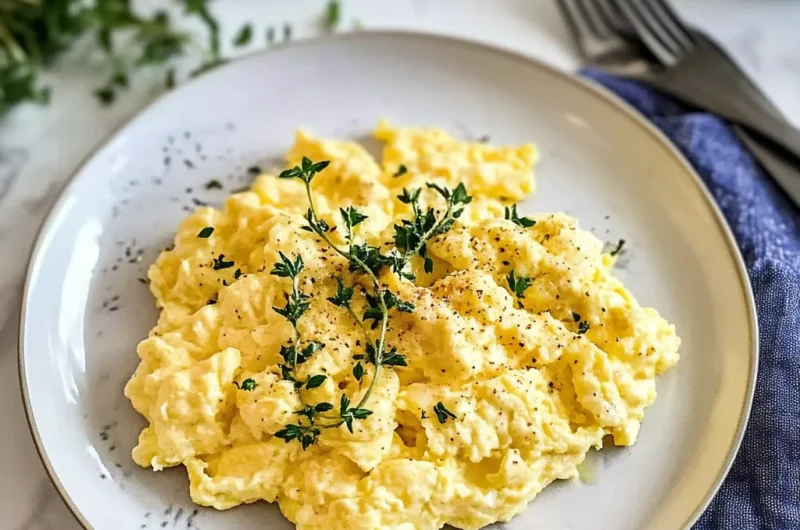
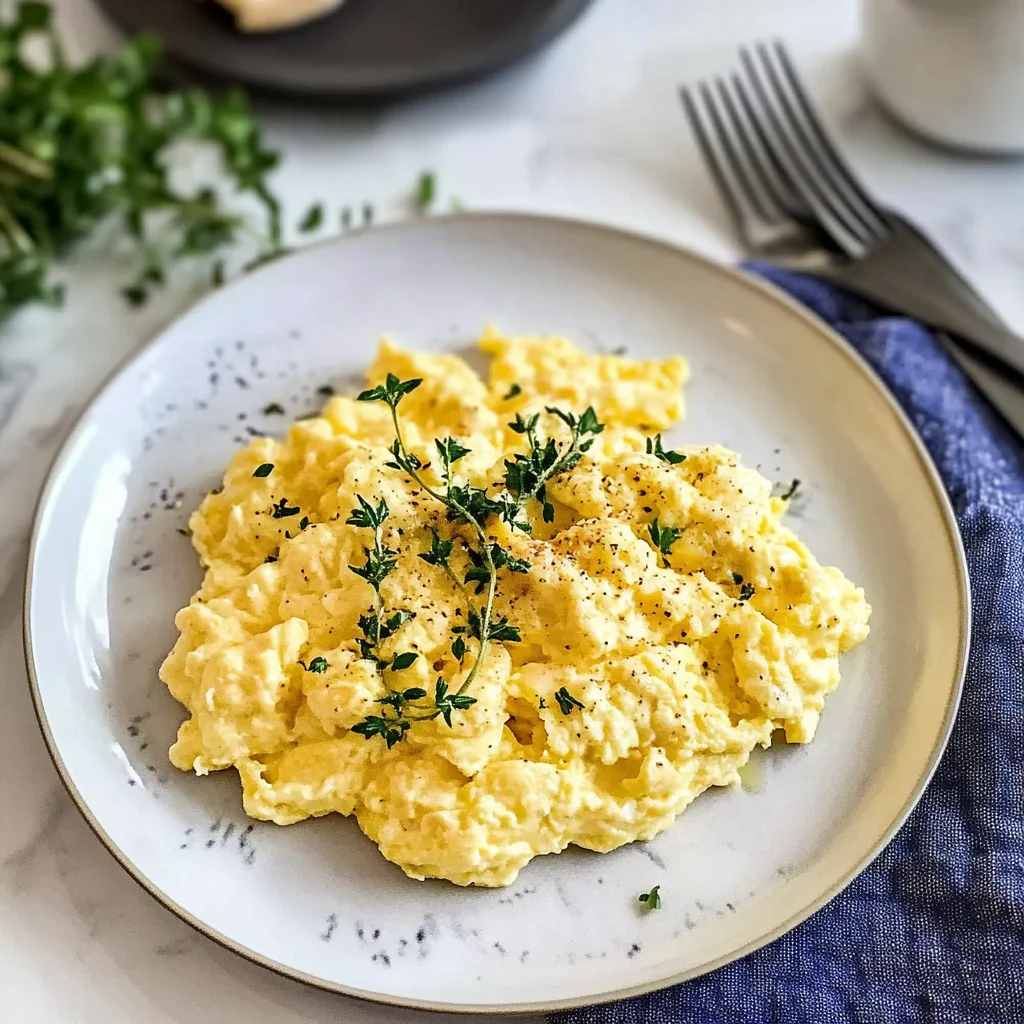
Imagine waking up to the tantalizing aroma of scrambled eggs wafting through your kitchen, their soft, fluffy texture promising comfort with each bite. The golden-yellow hue beckons you to indulge in a dish that captures the essence of breakfast bliss, where creamy richness meets the simplicity of perfectly cooked eggs.
Scrambled eggs have a special place in my heart, reminding me of lazy Sunday mornings spent with family, laughter echoing over plates of this classic delight. Whether it’s a quick weekday breakfast or a leisurely brunch with friends, the anticipation of that first savory mouthful always brings a smile, making every occasion feel just a bit more special.
Why Does Everyone Love Scrambled Eggs?
Quick and easy to whip up, scrambled eggs are the ultimate breakfast solution for busy mornings. Rich and creamy, a splash of milk elevates their texture, ensuring every bite melts in your mouth. Versatile and customizable, you can add herbs or cheese for extra flair. Crowd-pleasing at any brunch gathering, they appeal to both kids and adults alike. Plus, with just 15 minutes from prep to plate, they’re a delicious time-saver!
Scrambled Eggs Ingredients
For the Eggs
- 8 large eggs (fresh) – Use fresh eggs for the best flavor and fluffy texture in your scrambled eggs.
For the Dairy
- 1/4 cup milk (optional for creaminess) – Adding milk creates a richer, creamier consistency that elevates your scrambled eggs.
- 2 tablespoons butter (for cooking) – Butter adds a delicious richness and helps prevent sticking while cooking.
For Seasoning
- 1 teaspoon salt (to taste) – Salt enhances the natural flavor of the eggs, so adjust according to your preference.
- 1/2 teaspoon black pepper (to taste) – Freshly cracked black pepper adds a subtle kick that balances the dish beautifully.
How to Make Scrambled Eggs

1. Crack and whisk: In a mixing bowl, crack the 8 large fresh eggs and whisk them vigorously until the yolks and whites are fully combined, creating a vibrant yellow mixture.
2. Mix in dairy: Add 1/4 cup of milk, along with 1 teaspoon of salt and 1/2 teaspoon of black pepper to the eggs. Whisk until everything is well mixed for a creamy texture.
3. Heat the skillet: Place a non-stick skillet over medium-low heat and add 2 tablespoons of butter. Allow it to melt and bubble gently, infusing your kitchen with a delightful aroma.
4. Pour in egg mixture: Once the butter is melted, pour in the egg mixture. Let it sit undisturbed for a few moments until you notice the edges starting to set, which should take about 1-2 minutes.
5. Stir gently: Using a spatula, gently stir the eggs, pushing them from the edges toward the center. This technique helps maintain that soft, fluffy texture we all love.
6. Cook softly: Continue to cook while stirring occasionally until the eggs are softly set but still slightly runny—about 3-4 minutes. The goal is fluffy curds that look light and airy.
7. Finish off heat: Remove the skillet from heat and let the residual heat finish cooking the eggs for another minute or so, achieving perfection without overcooking.
Optional: For an extra touch of flavor, sprinkle some fresh herbs before serving.
Exact quantities are listed in the recipe card below.
Tips for the Best Scrambled Eggs
- Fresh Ingredients: Use fresh eggs for the best flavor and texture. Older eggs can lead to watery scrambled eggs.
- Low Heat Cooking: Cook on medium-low heat; high temperatures can cause the eggs to overcook and become rubbery.
- Gentle Stirring: Stir gently with a spatula to create soft curds. Over-stirring breaks them down too much, making them less fluffy.
- Residual Heat: Remember to remove from heat while still slightly runny. The residual heat will finish cooking them perfectly without drying out.
- Milk Optional: Adding milk can enhance creaminess, but be cautious not to add too much; it may dilute the rich egg flavor.
- Seasoning Timing: Seasoning should be added before cooking for even distribution. Adding salt after can draw moisture out, making scrambled eggs watery.
How to Store and Freeze Scrambled Eggs
Fridge: Store leftover scrambled eggs in an airtight container for up to 3 days. This keeps them fresh and prevents any odor absorption.
Freezer: For longer storage, freeze scrambled eggs in a freezer-safe container for up to 2 months. Make sure to cool them completely before freezing.
Reheating: Thaw frozen scrambled eggs in the fridge overnight, then reheat gently in a skillet over low heat. Add a splash of milk to restore creaminess if desired.
Room Temperature: Avoid leaving scrambled eggs out at room temperature for more than 2 hours, as this can promote bacterial growth and spoilage.
Make Scrambled Eggs Your Own
Feel free to get creative with this classic dish and make it uniquely yours with these fun variations!
- Herb-Infused: Add a tablespoon of fresh chopped herbs like chives or parsley for a burst of flavor. The herbs will not only enhance the taste but also bring a vibrant touch to your plate.
- Cheesy Delight: Stir in 1/2 cup of shredded cheese such as cheddar or feta before serving. The melty goodness adds richness, transforming your eggs into a creamy masterpiece.
- Veggie-Packed: Fold in sautéed spinach, bell peppers, or mushrooms for added nutrition and texture. This variation turns your breakfast into a colorful, hearty meal that satisfies both hunger and cravings.
- Spicy Kick: Mix in a pinch of cayenne pepper or diced jalapeños for a zesty twist. A little heat can elevate the humble scrambled eggs to an exciting morning treat!
- Smoky Flavor: Incorporate smoked paprika or crumbled bacon for a savory depth. These additions will give your eggs a delightful smokiness that pairs perfectly with toast.
- Creamy Avocado: Top your scrambled eggs with sliced avocado for added creaminess and healthy fats. This not only enhances the texture but also makes the meal more filling and nutritious.
- Mediterranean Style: Add sun-dried tomatoes and olives for an exotic flair. This twist transports your taste buds to the Mediterranean coast, making breakfast feel like a vacation!
Make Ahead Options

Preparing scrambled eggs in advance is a wonderful way to simplify your morning routine without sacrificing flavor or quality. You can whisk together the 8 large eggs, 1/4 cup of milk, 1 teaspoon of salt, and 1/2 teaspoon of black pepper up to 24 hours ahead. Store this mixture in an airtight container in the refrigerator. When you’re ready to enjoy your fluffy scrambled eggs, simply heat 2 tablespoons of butter in a non-stick skillet over medium-low heat, pour in the egg mixture, and follow the cooking instructions as outlined. Remember to let the eggs sit for a moment before gently stirring; they should be softly set but slightly runny when you finish cooking. To maintain the best texture, serve them right after cooking for that perfect breakfast experience!
Scrambled Eggs Recipe FAQs
What type of eggs should I use for the best scrambled eggs?
Using fresh large eggs is key to achieving fluffy, delicious scrambled eggs. Fresh eggs have a firmer white and yolk, which helps create a better texture when whisked. Look for eggs with a clean, uncracked shell, and consider organic or free-range options for added flavor and nutritional benefits.
Can I make scrambled eggs without milk?
Absolutely! While adding 1/4 cup of milk can enhance creaminess, it’s entirely optional. If you prefer a richer flavor, you might try substituting the milk with heavy cream or even sour cream. Just remember that skipping the dairy won’t affect your cooking process—your scrambled eggs will still turn out soft and fluffy!
How do I store leftover scrambled eggs?
Leftover scrambled eggs can be stored in an airtight container in the refrigerator for up to 3–4 days. To reheat, simply warm them gently in a skillet over low heat or in the microwave for about 30 seconds at a time until heated through. They may lose some fluffiness but will still taste great!
Can I freeze scrambled eggs?
Yes, you can freeze scrambled eggs! Allow them to cool completely, then transfer them to an airtight freezer-safe container. They can be frozen for up to 3 months. When you’re ready to enjoy them again, thaw in the refrigerator overnight and reheat gently on the stovetop or microwave.
What should I do if my scrambled eggs turn out rubbery?
Rubbery scrambled eggs are usually a result of cooking them at too high a temperature or overcooking them. For perfect results, always cook on medium-low heat and remove them from the heat when they’re still slightly runny—about 5–7 minutes total cooking time is ideal. The residual heat will finish cooking them perfectly without compromising their texture.
How many servings does this recipe make?
This recipe yields about 4 servings of scrambled eggs, with each serving containing approximately 200 calories. It’s perfect for a family breakfast or brunch gathering! If you have more guests or just want extra helpings, feel free to double the recipe easily while keeping your cooking times consistent.
Scrambled Eggs
Ingredients
Method
- In a mixing bowl, crack the eggs and whisk them until the yolks and whites are fully combined.
- Add milk, salt, and pepper to the eggs and whisk until well mixed.
- Heat the non-stick skillet over medium-low heat and add the butter.
- Once the butter is melted and bubbling, pour in the egg mixture.
- Let the eggs sit for a few moments until they start to set around the edges.
- Gently stir with a spatula, pushing the eggs from the edges toward the center.
- Continue to cook, stirring occasionally, until the eggs are softly set but still slightly runny.
- Remove from heat and let the residual heat finish cooking the eggs.